
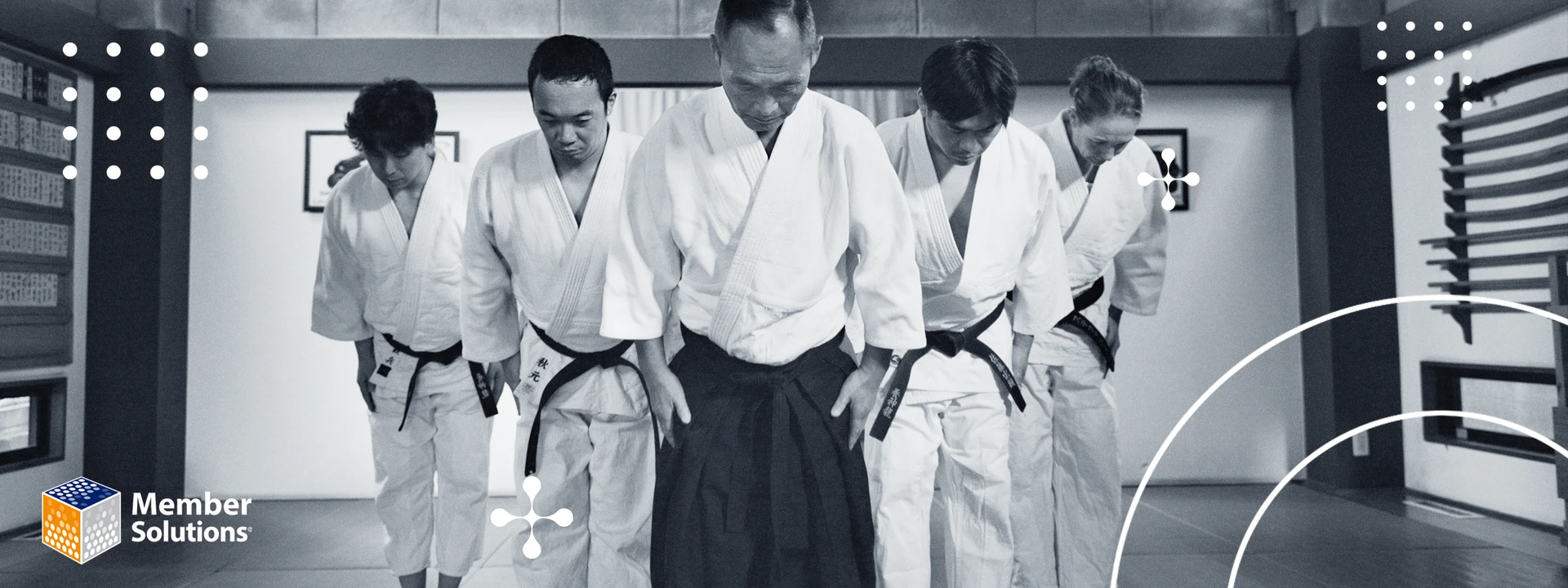
Your Aikido dojo teaches something profound—a martial art that transforms conflict into harmony, aggression into peace, and individual struggle into collective growth. You’ve witnessed students develop not just physical techniques but deep personal transformation through the practice of “the way of harmony.” Yet attracting students to this philosophical art requires marketing that speaks to modern needs while honoring traditional values.
Aikido faces unique challenges in today’s martial arts landscape. Research shows Aikido has an aging population problem, with many dojos struggling to attract young adults who often gravitate toward MMA or other combat-focused arts. The cooperative, non-competitive nature that makes Aikido special can also make it harder to market in a culture that values quick results and visible dominance.
But these challenges also represent opportunities. In our increasingly stressful, divided world, Aikido’s emphasis on harmony, mindfulness, and peaceful conflict resolution addresses growing needs for mental wellness, stress management, and authentic human connection. The art’s gentle, flowing movements make it accessible to people of all ages and physical abilities, opening markets often ignored by other martial arts.
Your marketing must communicate Aikido’s unique value proposition: personal transformation through harmonious practice, stress relief through mindful movement, and conflict resolution skills that apply both on and off the mat.
This guide will help you market your Aikikai Aikido dojo effectively, attracting students who will appreciate the depth and philosophy that make this art transformative.
Understanding Your Aikido Market
Aikido attracts distinctly different demographics compared to other martial arts, motivated by personal growth, stress relief, and philosophical exploration rather than competition or dominance.
Professionals seeking stress relief and personal development represent a primary market for Aikido instruction. Lawyers, therapists, teachers, and executives often discover Aikido while searching for ways to manage stress, improve focus, and develop better conflict resolution skills. The art’s emphasis on remaining calm under pressure translates directly to professional situations.
Women seeking empowerment without aggression find Aikido’s non-violent philosophy particularly appealing. Unlike martial arts that emphasize overpowering opponents, Aikido teaches how to neutralize aggression through redirection and harmony. This attracts women who want self-defense skills without adopting aggressive mindsets.
Older adults and returning practitioners appreciate Aikido’s accessibility and low-impact nature. The art relies on leverage and timing rather than strength or speed, making it sustainable for people in their 40s, 50s, and beyond. Many discover Aikido after injury or as they seek alternatives to high-impact activities.
Mindfulness and spiritual seekers are drawn to Aikido’s meditative aspects and philosophical depth. The practice combines physical movement with mental discipline, appealing to people interested in personal growth, meditation, and Eastern philosophy. These students often become long-term practitioners who deeply appreciate the art’s transformative potential.
Parents seeking character development for children value Aikido’s emphasis on respect, self-discipline, and non-violence. They want their children to learn self-defense while developing qualities like empathy, cooperation, and peaceful conflict resolution.
Corporate groups interested in leadership and team building increasingly recognize Aikido principles for workplace applications. The art’s focus on blending with rather than opposing energy provides metaphors for leadership, negotiation, and collaborative problem-solving.
Understanding these motivations helps position your dojo as more than a martial arts school—it becomes a center for personal development, stress relief, and practical life skills.
Digital Marketing Strategies for Aikido
Your online presence must communicate both accessibility and depth, addressing common misconceptions while showcasing Aikido’s unique benefits.
Content Marketing That Educates and Inspires
Create content that explains Aikido’s philosophy and practical applications in terms modern audiences can understand and appreciate.
Write blog posts that connect Aikido principles to everyday situations: “Applying Aikido’s Harmony Principle to Workplace Conflicts” or “How Aikido’s Centering Practice Reduces Daily Stress.” This content attracts people searching for practical solutions to life challenges rather than just martial arts techniques.
Address common misconceptions about Aikido’s effectiveness. Many people dismiss it as “too soft” after seeing cooperative demonstrations. Create content explaining how Aikido’s principles work, why cooperative training develops real skills, and how the art’s effectiveness differs from but complements other approaches to conflict.
Share student stories that highlight personal transformation rather than just physical achievements. Stories about overcoming anxiety, improving relationships, or finding peace through practice resonate with potential students facing similar challenges.
Video Content That Demonstrates Philosophy in Action
Aikido’s flowing movements and cooperative nature make it naturally suited for video demonstration, but your content strategy should emphasize personal benefits over just techniques.
Create videos showing how Aikido principles apply to daily life situations. Demonstrate how centering helps with public speaking anxiety, how blending principles improve negotiation outcomes, or how breathing techniques manage stress.
Show diverse students of different ages and backgrounds training together. Many potential students worry that Aikido is only for certain types of people. Demonstrating inclusivity and accessibility helps overcome these barriers.
Include testimonials from students discussing personal benefits they’ve experienced—improved confidence, better stress management, enhanced relationships, or increased physical well-being.
SEO for Wellness and Personal Development
Optimize your website for searches related to stress relief, personal development, and wellness rather than just martial arts terms.
Target keywords like “stress relief classes,” “mindfulness training,” “conflict resolution skills,” and “gentle exercise for adults.” Many potential students aren’t specifically searching for martial arts but for solutions to personal challenges that Aikido addresses.
Create location-based content for local searches: “Stress Relief Classes in [Your City]” or “Adult Fitness Programs for Beginners.” Local SEO helps capture people searching for wellness activities in your area.
Wellness and Personal Development Positioning
Market Aikido as a wellness practice that happens to be a martial art, rather than a martial art that offers wellness benefits.
Stress Management and Mental Health
Position your dojo as a stress relief center that uses martial arts principles to promote mental wellness. This messaging appeals to busy professionals, parents, and anyone dealing with modern life pressures.
Develop workshops specifically focused on stress management using Aikido breathing, centering, and movement techniques. These short programs allow people to experience benefits without committing to ongoing martial arts training.
Partner with mental health professionals, wellness centers, or employee assistance programs to offer Aikido-based stress relief workshops. These partnerships provide credibility while reaching people who need what Aikido offers.
Corporate Wellness and Professional Development
Many businesses invest in employee wellness and professional development programs. Aikido’s principles translate well to workplace challenges like conflict resolution, leadership, and stress management.
Develop corporate programs that focus on practical applications: “Leadership Through Harmony,” “Conflict Resolution Without Confrontation,” or “Stress Management for High-Pressure Environments.”
Create lunch-hour programs for busy professionals who can’t attend evening classes. Short sessions that focus on breathing, centering, and basic principles can provide immediate stress relief while introducing Aikido concepts.
Community Partnerships and Outreach
Aikido’s emphasis on harmony and community service creates natural opportunities for partnerships with organizations serving similar values.
Healthcare and Therapy Partnerships
Physical therapists, occupational therapists, and mental health professionals often seek movement-based interventions for their clients. Aikido’s gentle movements and stress-reduction benefits make it appealing for therapeutic applications.
Develop programs for people recovering from injury, managing chronic pain, or dealing with anxiety. Aikido’s adaptive nature allows modifications for various physical limitations while maintaining the art’s essential principles.
Partner with healthcare providers to offer workshops on movement-based stress relief, fall prevention for seniors, or mindfulness through martial arts. These partnerships provide professional referrals while serving community needs.
Educational Institution Programs
Universities and community colleges often seek unique wellness offerings for students and staff. Aikido’s academic appeal—combining philosophy, psychology, and physical practice—fits well in educational environments.
Develop programs that connect to academic fields: “Aikido and Conflict Resolution” for psychology students, “Eastern Philosophy in Practice” for philosophy departments, or “Mindfulness and Academic Performance” for student wellness centers.
Offer continuing education workshops for teachers, counselors, and administrators who deal with interpersonal conflicts and stress in their professional roles.
Addressing the Age Demographics Challenge
One of Aikido’s biggest marketing challenges is attracting and retaining younger practitioners while maintaining the depth that appeals to older students.
Young Adult Engagement Strategies
Young adults often seek martial arts that offer immediate, visible results. Market Aikido’s unique benefits that other arts don’t provide: stress management skills, conflict resolution abilities, and sustainable practice that doesn’t rely on physical dominance.
Emphasize Aikido’s practical applications for young professionals dealing with workplace stress, relationship challenges, and life transitions. Frame the practice as life skills development rather than just martial arts training.
Create social aspects that appeal to young adults: study groups, philosophy discussions, or community service projects. Many young people seek meaningful activities that align with their values.
Family and Intergenerational Programs
Develop programs where families can train together, accommodating different ages and skill levels. Aikido’s cooperative nature makes family practice more feasible than competitive martial arts.
Create “Family Harmony” workshops that teach conflict resolution and communication skills using Aikido principles. These programs appeal to parents while introducing children to the art.
Offer flexible scheduling that accommodates family needs: weekend workshops, summer intensives, or family retreat programs that provide immersive experiences.
Membership and Pricing for Personal Development
Aikido’s personal development focus requires pricing strategies that reflect its value while remaining accessible to people seeking wellness rather than martial arts specifically.
Trial Programs That Demonstrate Value
Most people are unfamiliar with Aikido’s approach and benefits. Design trial programs that provide genuine value while showcasing what ongoing practice offers.
Offer introduction workshops focused on specific benefits: “Stress Relief Through Movement,” “Conflict Resolution Skills,” or “Mindfulness in Motion.” These themed introductions attract people interested in specific outcomes rather than general martial arts training.
Create month-long “Aikido Foundations” programs that provide enough time for students to experience the art’s deeper benefits. Personal transformation takes time, and longer trial periods allow people to appreciate what makes Aikido special.
Membership Options for Different Commitment Levels
Recognize that some students seek ongoing personal development while others prefer workshop-based learning. Offer options that serve both approaches.
Provide drop-in rates for people who want to attend occasionally, monthly memberships for regular practitioners, and longer-term options for committed students. Flexible pricing acknowledges that not everyone approaches Aikido with the same level of commitment.
Consider offering separate pricing for technique-focused classes versus philosophy and application workshops. Some students primarily want the physical practice, while others are more interested in Aikido’s principles and applications.
Student Retention Through Personal Growth
Keeping students engaged in Aikido requires supporting their individual development journeys rather than focusing solely on technical advancement.
Personal Development Tracking
Help students recognize and celebrate progress in areas beyond technique mastery. Many Aikido benefits—improved stress management, better conflict resolution, increased confidence—develop gradually and may not be immediately obvious.
Create regular check-ins where students reflect on how Aikido practice affects their daily lives. Encourage journaling or discussion groups where practitioners share insights and personal growth experiences.
Offer workshops that help students apply Aikido principles to specific life challenges: parenting, workplace conflicts, relationship issues, or personal stress management.
Community and Philosophical Engagement
Build programming that serves students’ interests in Aikido’s philosophical and community aspects. Many long-term practitioners value these elements as much as physical training.
Organize regular philosophy discussions, book clubs studying Aikido texts, or seminars with visiting teachers who can share different perspectives on the art.
Create opportunities for students to teach or assist with beginners, community outreach programs, or special events. Teaching others deepens understanding while building investment in the dojo community.
Measuring Aikido Marketing Success
Track metrics that reflect the unique aspects of Aikido training and personal development rather than just typical business indicators.
Monitor student retention over longer periods than other martial arts, as Aikido students often need months to appreciate the art’s deeper benefits. Six-month and one-year retention rates provide better insights than monthly metrics.
Assess personal development outcomes through student feedback about stress levels, conflict resolution confidence, and life satisfaction. Students who report positive life changes typically become long-term practitioners and strong advocates for the program.
Track community engagement through attendance at workshops, philosophy discussions, and social events. High participation in optional programming usually indicates strong student satisfaction and community connection.
Member Solutions can help you track these specialized metrics while managing the administrative aspects of running a personal development-focused dojo. Our martial arts management software accommodates the unique needs of philosophy-based schools.
Ready to Grow Your Aikikai Aikido Dojo?
Marketing an Aikikai Aikido dojo requires balancing respect for traditional philosophy with modern wellness needs. You need systems that handle the business side efficiently while maintaining the reflective, community-oriented atmosphere that makes Aikido transformative.
Member Solutions provides specialized martial arts management software designed for schools like yours that prioritize personal development alongside technical training. Our platform helps you manage student records, track individual progress, handle flexible membership options, and maintain the supportive community connections that Aikido students value.
With automated administrative tools and integrated marketing features, you can spend less time on paperwork and more time on what matters most: creating space for personal transformation through the practice of harmony.
Book a demo today to see how Member Solutions can help you build and manage a thriving Aikikai Aikido dojo that serves modern wellness needs while honoring traditional values.
Frequently Asked Questions
How is marketing Aikido different from other martial arts?
Aikido marketing focuses on personal development, stress relief, and philosophical growth rather than self-defense or competition. Emphasize harmony, conflict resolution, and mindfulness benefits that appeal to people seeking wellness and personal transformation. Your messaging should attract people interested in personal growth rather than martial dominance.
How do I attract younger students to Aikido?
Focus on practical life applications that young adults value: stress management for demanding careers, conflict resolution skills for relationships, and sustainable physical practice. Create social programming and community service opportunities that align with younger demographics’ values. Emphasize Aikido as life skills development rather than traditional martial arts.
Should I emphasize the martial aspects or wellness benefits?
Lead with wellness and personal development benefits while acknowledging the martial foundation. Most modern students are primarily interested in stress relief, personal growth, and practical life skills. The martial arts context provides structure and tradition, but the wellness outcomes drive enrollment decisions.
How do I explain Aikido’s effectiveness to skeptical prospects?
Focus on real-world applications rather than fighting effectiveness. Explain how Aikido’s principles work in daily conflicts, stress management, and personal relationships. Share student testimonials about practical benefits they’ve experienced. Acknowledge that Aikido’s effectiveness differs from other martial arts but serves important purposes in modern life.